Mastering how to deal with arowana fish or any aquarium world’s most luxurious creatures. Our comprehensive publication covers all the things from tank requisites and feeding schedules to infirmity prevention and breeding innovations, guaranteeing your arowana prospers in captivity when asserting its regal attractiveness and brilliant overall healthiness. Keeping an arowana fish represents certainly one of aquaculture’s so much rewarding challenges. These historical predators, traditionally called dragon fish, command interest with their steel scales and graceful movements. Yet their care needs precision, persistence, and a true commitment to creating an surroundings the place those unprecedented creatures can flourish.
The experience to valuable arowana maintaining starts off with working out that those usually are not novice fish. Their massive measurement, one of a kind environmental demands, and touchy nature require skilled fingers. According to PetMD’s examine, arowanas can develop up to 2 inches per month for the period of their first yr, a increase expense that catches many unprepared keepers off protect.
Understanding Arowana Fish Biology
Before installation any gear, clutch what makes these fish individual. Arowanas belong to the Osteoglossidae relatives, an ancient lineage that has survived for millions of years. Their elongated bodies, coated in giant steel scales, serve both aesthetic and realistic purposes. The exclusive upturned mouth and long barbels near their lessen jaw support them notice action at the water’s surface, the place they evidently hunt.
These floor feeders possess a special bony tongue architecture that is helping weigh down prey. Biology Dictionary notes that this variation allows them to eat large prey units than you could possibly anticipate for his or her jaw length. In their normal habitat throughout South America, Asia, Australia, and Africa, they inhabit gradual-relocating waters, flooded forests, and river tributaries wherein they can patrol the higher water column.
The National Zoo’s observations spotlight their tremendous leaping talent. Wild arowanas ordinarilly leap from the water to snatch insects, small birds, or even bats from low-putting branches. This behaviour has earned them one other nickname: water monkeys.
How to Care for Arowana Fish
How to Care for Arowana FishEssential Tank Setup Requirements
Tank Size and DimensionsSpace matters dramatically for arowana future health. Juveniles could continue to exist temporarily in smaller environments, yet planning for adult length prevents long term complications and pressure-comparable well being matters.
Fish Size Minimum Tank Volume Recommended Dimensions
Juvenile (four-8 inches) 60 gallons 4 ft x 1.five toes x 1.5 ftSub-adult (eight-16 inches) 150 gallons five feet x 2 ft x 2 ft
Adult Silver Arowana 250-300 gallons 6 ft x 2.5 toes x 2.5 toesAdult Asian/Australian 220 gallons minimal 6 feet x 2 ft x 2 ft
Large Adult (24+ inches) 400-800 gallons 8 ft x 3 ft x 3 toesThe Smithsonian’s Living Planet Aquarium emphasizes that horizontal swimming area topics extra than tank top. These fish patrol territories horizontally, so length and width take precedence over intensity.
Glass thickness is not going to be compromised. Arowanas generate widespread drive, and tanks with glass thinner than part an inch hazard catastrophic failure. We suggest specialist-grade aquariums outfitted chiefly for monster fish, and the tank stand have got to aid the vast weight in touch.
Water Parameters and Quality
Maintaining steady water conditions separates positive keepers from those that fight with consistent well-being issues. Research from aquarium authorities confirms that parameter balance concerns extra than hitting accurate numbers.Critical Water Parameters:
Temperature: 75-86°F (24-30°C)
pH Level: 6.zero-7.5 (mushy to a little bit acidic)
Ammonia: zero ppm (genuinely indispensable)Nitrite: zero ppm (equally principal)
Nitrate: Below 20 ppm (cut down is improved)Water Hardness: 5-12 dGH
Arowanas present unique sensitivity to nitrates, unlike many other large fish. Weekly partial water modifications of 25-30% help hold most well known stipulations. Some skilled keepers perform smaller day by day modifications, which creates even greater secure circumstances.Investment in high-quality try out kits will pay dividends. The API Master Test Kit or an identical items enable top tracking of these parameters. Digital thermometers supply greater strong readings than stick-on variations.
Filtration and Circulation
These fish produce noticeable waste, making physically powerful filtration non-negotiable. Your filter technique should technique the total tank quantity as a minimum 4 occasions hourly. For a 250-gallon tank, aim for filters rated at 1,000 gallons in step with hour minimal.
Recommended Filtration Options:
External canister filters (FX6, Eheim 2260)
Sump filtration methodsMultiple dangle-on-lower back energy filters
Custom rainy/dry trickle approachesAquarium Store instruction indicates combining mechanical, biological, and chemical filtration tools. Mechanical filtration eliminates particulate be counted, biological filtration strategies ammonia and nitrites as a result of a good idea bacteria colonies, while chemical filtration (activated carbon) eliminates dissolved natural and organic compounds and odours.
Water move may still create average to potent contemporary with no developing spaces where your arowana struggles to swim. Position filter outflows to generate round go with the flow patterns that mimic river currents.
Lighting and Tank Placement
Position your aquarium in a quiet domain away from direct sunlight, home windows, and excessive-traffic zones. According to PetMD’s care examine, arowanas startle without problems, and sudden actions or brilliant lighting trigger tension responses.Lighting serves two Buy Silver Arowana Fish Online functions: viewing your fish and almost certainly bettering shade. Standard aquarium lighting fixtures paintings fantastic for silver arowanas and such a lot species. However, keepers of crimson or golden kinds ceaselessly use specialised tanning lighting fixtures to accentuate color. Keep photoperiods steady at 10-12 hours day-to-day.
Tank Lid and Safety
Never underestimate arowana jumping ability. These fish can clean numerous feet when startled or looking. A relaxed, outfitted lid and not using a gaps prevents accidents and escapes. Some keepers use netting or acrylic covers, but something strategy you make a selection, ascertain finished assurance with ample air flow.
Feeding Your Arowana: Nutrition and Diet
Understanding Dietary NeedsCarnivorous arowanas require high-protein diets wealthy in needed food. In nature, they consume bugs, smaller fish, crustaceans, and often small reptiles or amphibians. Captive diets should always mirror this selection at the same time as ensuring balanced food.
Feeding analysis from MonsterFishKeepers demonstrates that form prevents dietary deficiencies. Relying completely on one cuisine class, but easy, creates fitness difficulties over the years.
Primary Food Sources
High-Quality Pellets and SticksSpecially formulated arowana pellets or sticks (Hikari Massivore, Omega One Super Color) could variety the root. These incorporate balanced proteins, vitamins, and minerals. Look for merchandise checklist total fish or fish meal as accepted elements.
Live Foods
Market Prawns: Excellent protein supply and normal color enhancer. Feed entire with shells for increased fish, do away with shells for juveniles.
Crickets: Stimulate searching instincts, high protein content.
Mealworms and Superworms: Convenient, protein-wealthy, but especially excessive in fats.Earthworms: Highly nutritious while gut-loaded with first-rate food.
Small Fish: Guppies, rosy purple minnows (keep away from overfeeding goldfish simply by excessive fat content material).Grasshoppers: Low fat, top protein preference for adults.
Frozen FoodsFrozen marketplace shrimp, krill, fish fillets, and bloodworms grant convenience with exceptional dietary magnitude. Thaw entirely before feeding and put off any uneaten pieces promptly.
Feeding Schedule and Portions
Age and size be certain feeding frequency. According to hygger’s nutritional analysis, juveniles want more generic foodstuff to help rapid boom:
Juvenile Arowanas (Under one year):
Feed 2-three occasions day after day
Small pieces ate up inside 2-3 minutesFocus on enlargement-aiding meals
Adult Arowanas (Over one year):Feed once on a daily basis or every other day
Larger pieces ate up within five mins
Consider occasional fasting daysOverfeeding motives more complications than underfeeding. Obesity, swim bladder points, and water best degradation all stem from intense feeding. Monitor your fish’s body situation and regulate as a consequence.
Foods to Avoid or Limit
While arowanas devour practically anything, definite foods require caution:Goldfish: High fats content material makes them wrong as staples
Mammalian meat: Difficult to digest, can lead to bloating
Fatty insects: Limit waxworms and different excessive-fats innovationsSharp-edged meals: Remove shrimp head gear to steer clear of intestinal harm
Common Health Issues and Disease PreventionPreventive Care Fundamentals
Prevention beats medicine every time. Health analyze documented by using hygger indicates that such a lot arowana diseases stem from poor water quality, rigidity, or nutritional deficiencies.Prevention Strategies:
Maintain pristine water stipulations
Quarantine new tank mates for two-three weeks
Provide multiple, nutritious eating regimenMinimize coping with and sudden environmental differences
Use pleasant filtration techniquesPerform established water checking out
White Spot Disease (Ich)Perhaps the so much accepted parasitic infection, ich manifests as small white spots throughout the frame and fins. Fish infected with ich characteristically scratch in opposition to tank surfaces and display diminished appetite.
Treatment Protocol:
Gradually carry temperature to twenty-eight-30°C (if species tolerates)
Add ich medicinal drug (malachite inexperienced or copper-based totally remedies)Increase aeration
Perform 25% water alterations each 2-three daysContinue medication for complete cycle (10-14 days)
Bacterial InfectionsBacterial infections show up as fin rot, body lesions, discolouration, or lethargy. According to fishkeeping research, poor water satisfactory rapidly triggers those situations.
Treatment Approach:
Improve water exceptional without delay
Add aquarium salt (1%)Administer extensive-spectrum antibiotics if priceless
Increase oxygen levelsRemove sharp decorations that could motive injury
Dropsy and Swim Bladder IssuesOverfeeding represents the accepted motive of swim bladder trouble. Fish littered with these situations battle with buoyancy, floating abnormally or sinking.
Management Steps:
Fast the fish for 48-seventy two hours
Feed cooked, peeled peas to support digestionAdd small quantity of aquarium salt
Maintain secure water parametersResume feeding with smaller parts
Droopy Eye (Drop Eye)Controversial and complicated, droopy eye reasons aesthetic matters but not often impacts fitness right away. Research suggests that fats accumulation in the back of the attention, mixed with environmental components, contributes to this circumstance.
Prevention Methods:
Avoid overfeeding fatty meals
Use centralized properly lighting fixturesCover tank facets to avert downward looking at
Feed floating foods to inspire upward orientationMaintain premier water fine
Gill CurlSmall tank measurement, poor oxygen levels, and suboptimal water situations motive gill covers to twist outward. This condition influences respiratory and appearance.
Correction Approach:
Transfer to as it should be sized tank
Increase oxygen stages appreciablyMaintain steady water parameters
Consider surgical treatment in basic terms as closing lodge (not often winning)Compatible Tank Mates and Social Dynamics
Adult Arowana BehaviourWikipedia’s documentation confirms that person arowanas show solitary and territorial behaviour. Keeping assorted adults jointly in most cases effects in aggression, pressure, and energy harm.
Selecting Compatible Species
If you pick out to home tank pals along with your arowana, comply with those instructional materials:Suitable Companions:
Large Plecos: Stay near backside, assistance with algae
Large Catfish: Bottom dwellers that keep away from arowana territory
Datnoides: Similar length, different water columnOscars: If desirable sized, can coexist
Freshwater Stingrays: Remain on backside substrateSpecies to Avoid:
Any fish small sufficient to eat
Surface-living species (compete for territory)Aggressive species of comparable shape
Slow-moving fancy goldfishNeon or small tetras
Carefully examine interactions when introducing new fish. Remove any species displaying signals of rigidity or aggression inside 24-48 hours. At Arowanaz, we stock a great number of compatible species that work effectively in arowana setups.Water Maintenance and Tank Upkeep
Weekly Maintenance Schedule
Monday: Test water parameters (ammonia, nitrite, nitrate, pH)Wednesday: Perform 25% water change, vacuum substrate
Friday: Check clear out flow fee, refreshing pre-filters if neededSunday: Inspect fish for well-being themes, test temperature
Monthly Deep MaintenanceOnce month-to-month, habits greater thorough renovation:
Clean clear out media (by no means unexpectedly)
Test and calibrate deviceInspect warmers and thermometers
Check for machine put on or malfunctionExamine tank seals and structure
Water Change TechniqueMatch temperature and pH of replacement water to tank water. Treat with dechlorinator in the past including. Pour slowly to ward off startling your fish. Some keepers use Python water changers or comparable methods that simplify titanic water changes.
the most beneficial awesome crimson arowana c
Arowana Varieties and Species-Specific Care
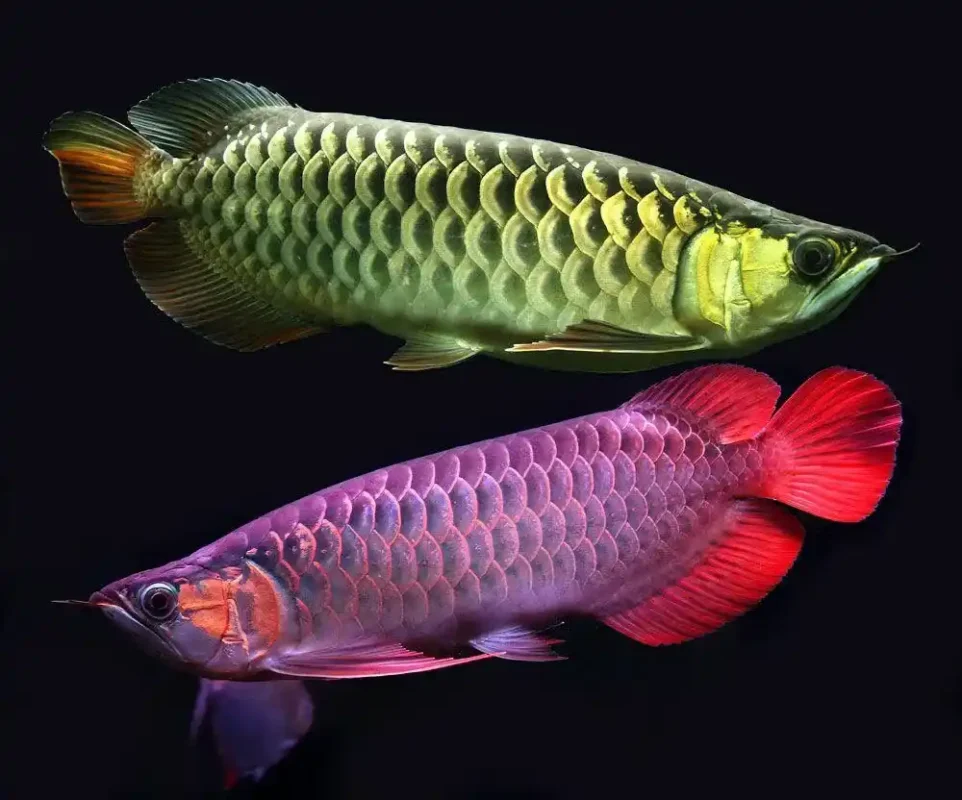
Silver ArowanaThe silver arowana represents the most reachable species for conserving. Native to South American river systems, they grow briefly and succeed Jardini Arowana for sale in lengths exceeding three feet. Their metal silver scales and colossal scales create astonishing visual appeal.
Care Specifics:
Temperature: 75-eighty two°F
pH: 6.0-7.zeroTank size: 250+ gallons for adults
Growth charge: Extremely fast (2 inches per 30 days when young)Asian Arowana
Asian arowana command top rate fees caused by their incredible color and cultural importance. Red, golden, and efficient forms exist, both with unique care requisites.Notable Varieties:
Super Red Arowana
Malaysian Red Arowana
Chili Red ArowanaPlatinum Arowana
24K Golden ArowanaAustralian Varieties
Jardini arowana and Leichardti arowana from Australia exhibit extra aggressive inclinations. They’re hardy fish however require solitary housing once mature. Learn extra about jardini arowana care and increase expectancies.Equipment Recommendations
Heaters
Use risk-free, adjustable heaters rated to your tank amount. We endorse:Titanium heaters for full-size tanks (just about indestructible)
Two smaller warmers instead of one considerable unit (redundancy)
External temperature controllers for precisionWater Testing Equipment
API Master Test Kit (finished)Digital pH meter (accuracy)
TDS meter (dissolved solids tracking)Thermometers (numerous locations)
Filtration ComponentsQuality matters vastly. Proper tank setup requires funding in authentic package. Consider FX6 canister filters, Eheim respectable sequence, or customized sump approaches.
Acclimation and Introduction
Bringing Your Arowana HomeWhen you buy an arowana, relevant acclimation prevents surprise and disorder. Our shipping approach guarantees fish arrive in shape, however acclimation is still an important.
Acclimation Steps:
Float sealed bag in tank for 15-20 mins (temperature equalization)
Open bag, upload 1/4 cup tank waterWait 10 minutes, upload another 1/four cup
Repeat method for forty five-60 minutes entireGently web fish into tank (don’t add bag water)
Dim lighting fixtures for first 24 hoursMonitor intently for rigidity symptoms
First Week CareStress tiers top all the way through preliminary days. Minimize job round the tank, hold good circumstances, and supply small quantities of their normal meals. Some arowanas refuse foodstuff for 2-three days after moving. This behaviour falls inside common diversity unless followed by means of other indicators.
Advanced Considerations
Breeding ArowanaArowana breeding in dwelling house aquariums items great demanding situations. These fish require monstrous areas, specified prerequisites, and years to succeed in sexual adulthood (3-four years minimal).
Males perform mouthbrooding, wearing fertilized eggs and fry of their mouths for up to two months. Commercial breeding operations use good sized ponds as opposed to tanks. For so much keepers, breeding stays impractical.
Colour Enhancement
Colour genetics play the regular role, yet weight loss program and surroundings outcomes pigmentation. What affects their colourful hues includes:Diet: Prawns, krill, and coloration-improving pellets
Lighting: Specialized tanning lights for reds and golds
Water chemistry: Soft, acidic water enhances coloursStress phases: Chronic stress dulls colour
Arowana Legalities and Regulations Asian arowanas face felony regulations in many nations as a result of endangered repute. However, other kinds stay prison. Research nearby rules beforehand purchasing. Understand what arowana fish are and their conservation repute.